Bibliography / research

Related Books

Information from the books below was consulted as a source for names, dates, works, and events. Where accounts differ, the site notes the differences and keeps each attribution tied to its source.

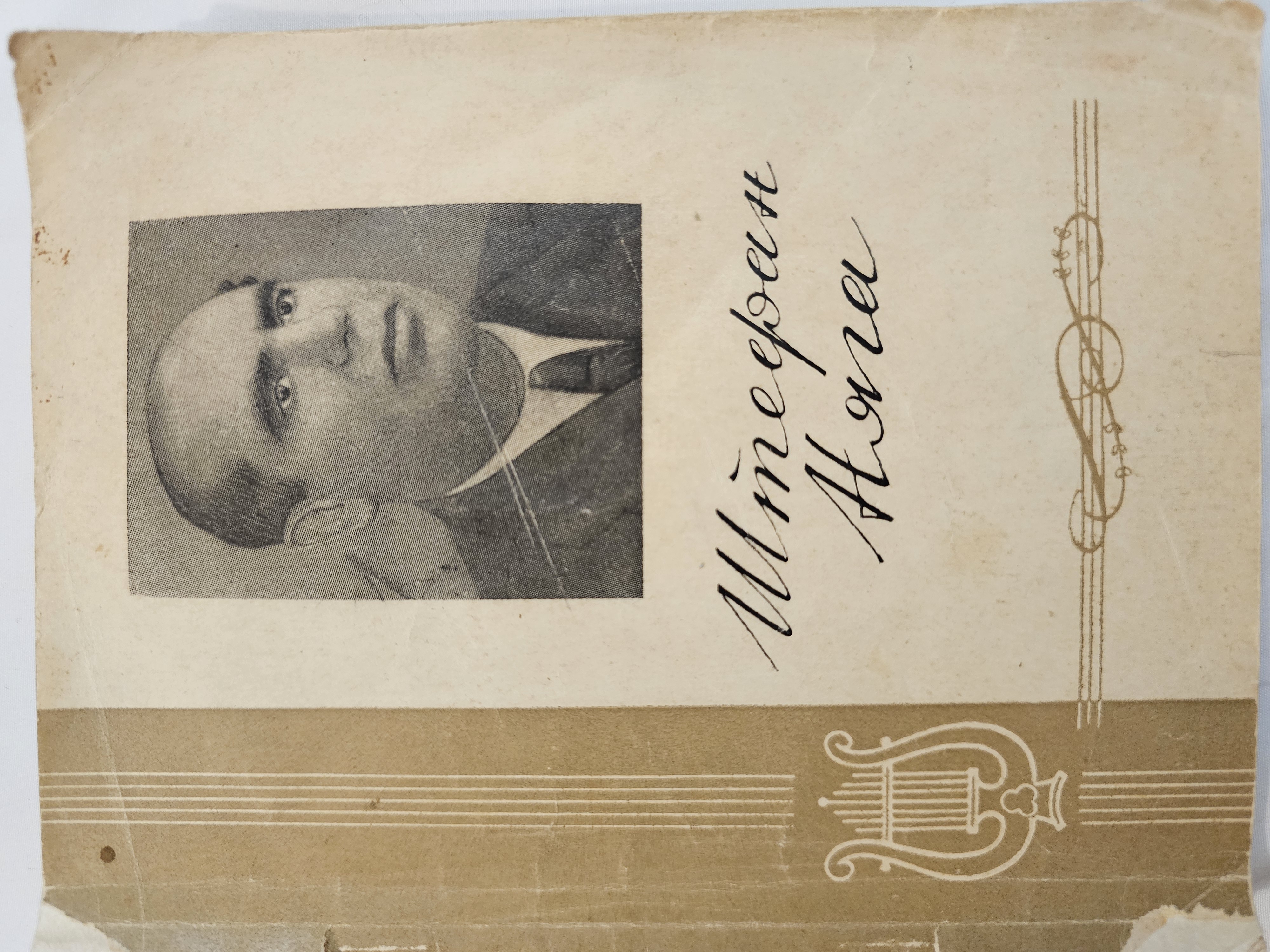
Scanned cover of A. Sofronov's 1959 book Ștefan Neaga
Sofronov, 1959Early biography, analysis, works, photographs
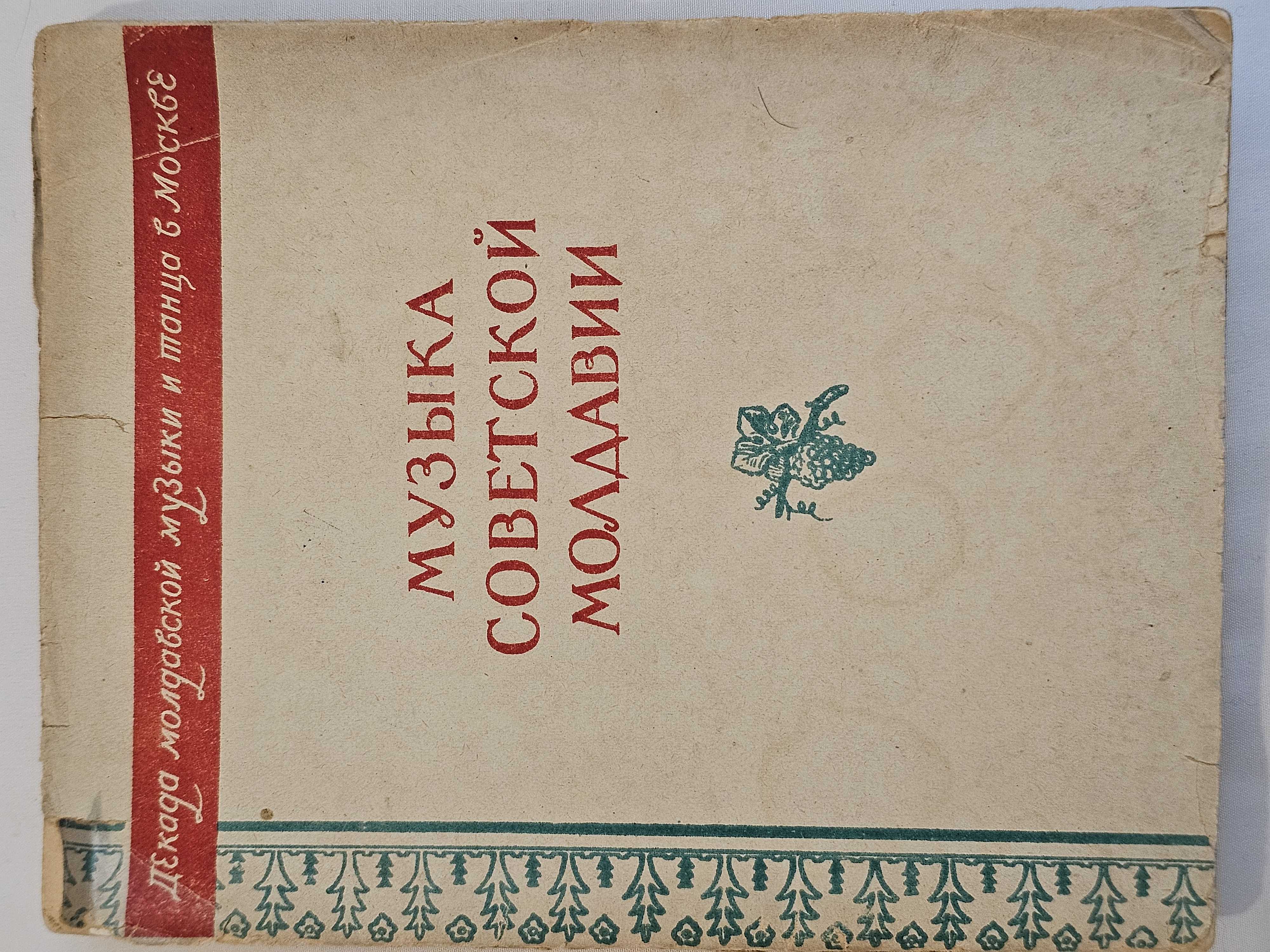
Scanned cover of Music of Soviet Moldavia, 1949
Sinyaver, 1949Contemporary survey and reception
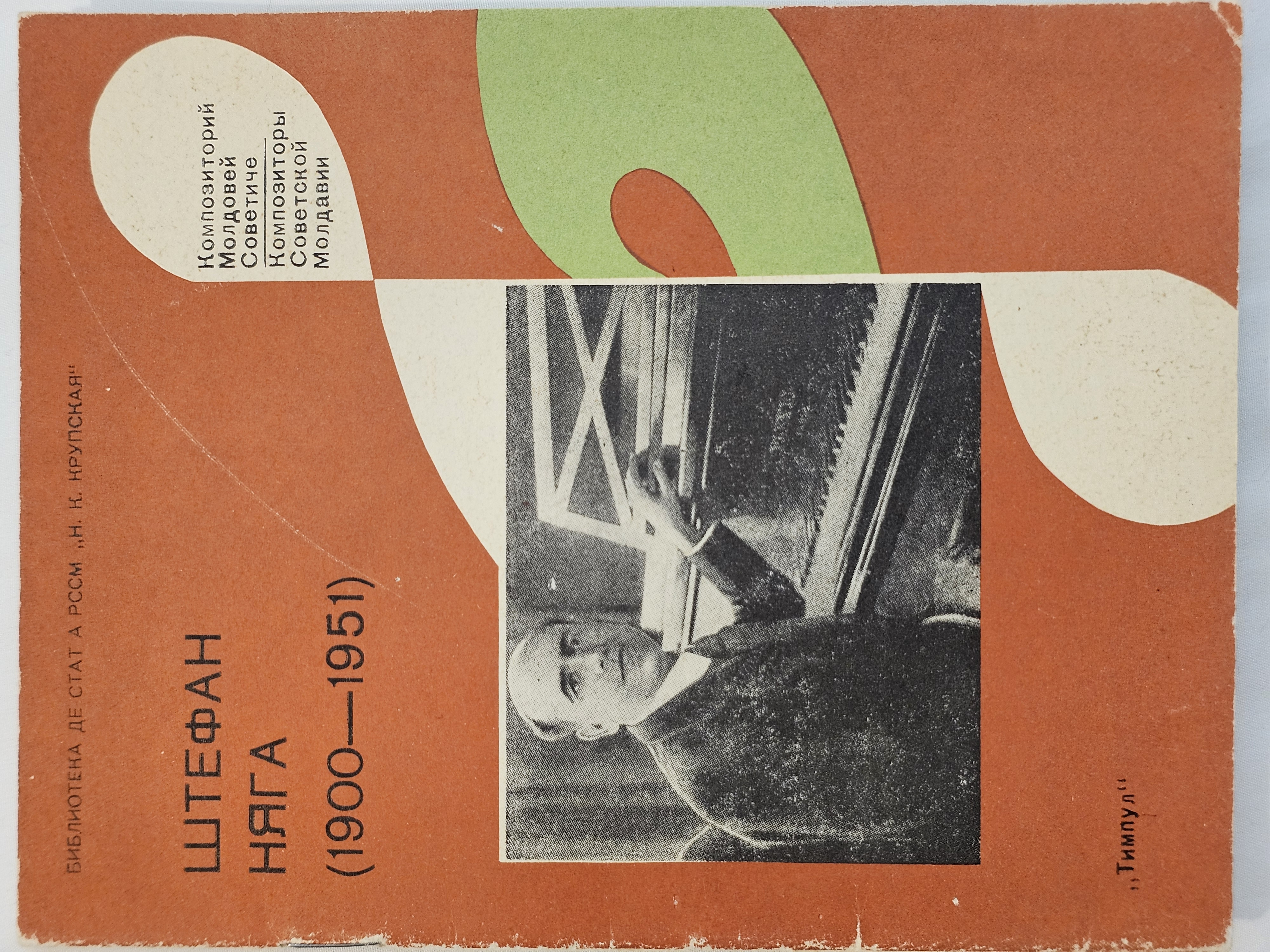
Scanned cover of the 1976 Ștefan Neaga biobibliographical index
Biobibliography, 1976Chronology, catalog, editions, recordings
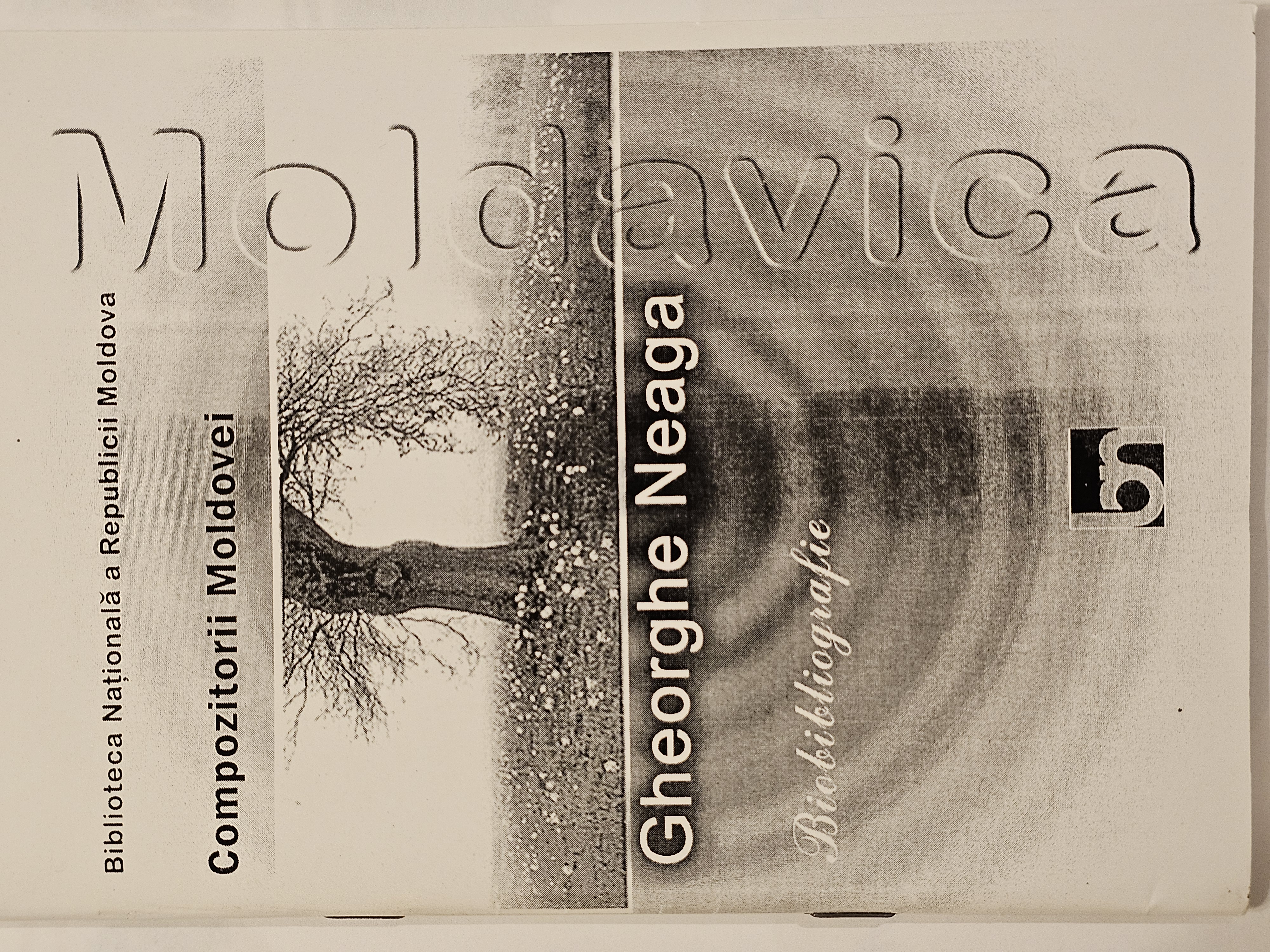
Scanned cover of the 2001 Gheorghe Neaga biobibliography
Neagu & Balan, 2001Chronology, scores, performances, reception
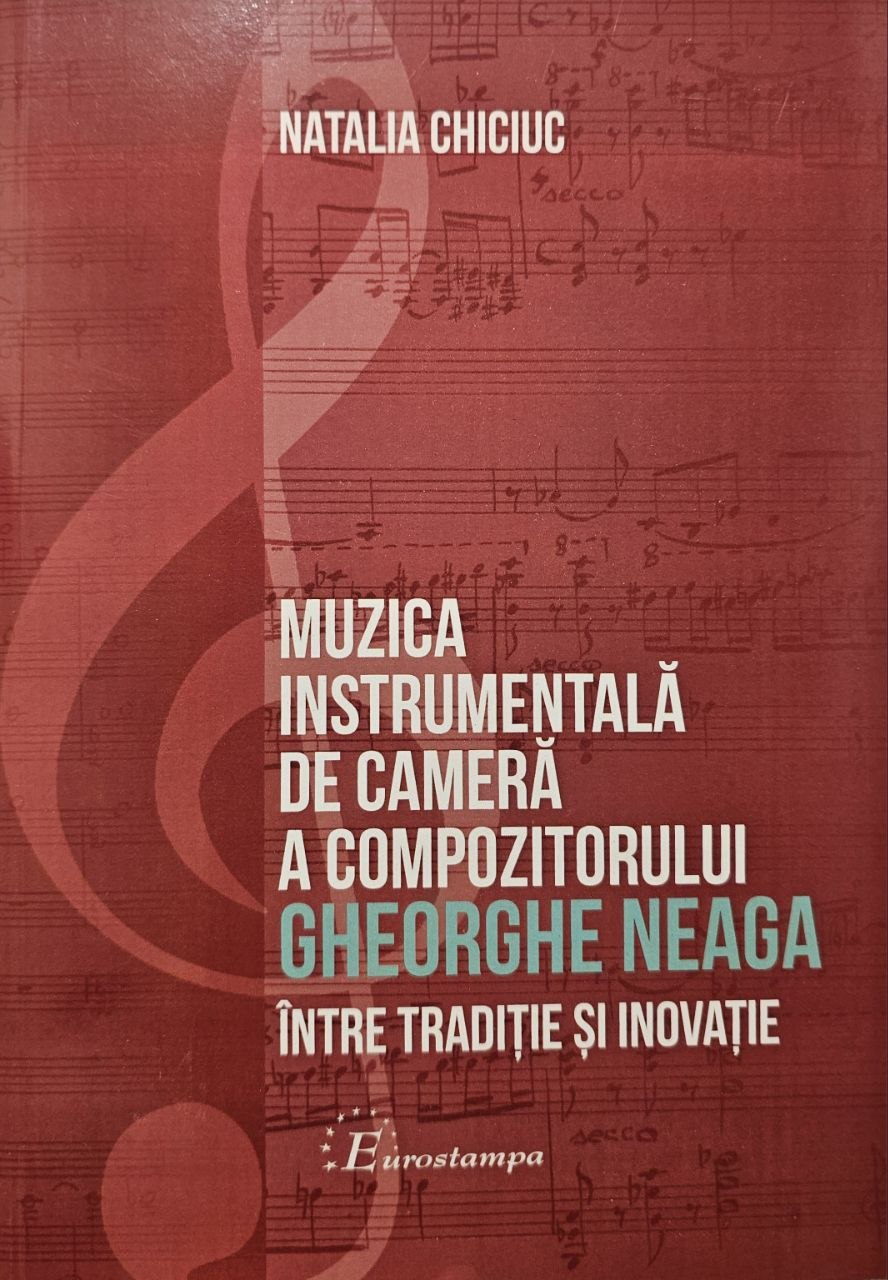
Cover of Natalia Chiciuc's monograph on Gheorghe Neaga's instrumental chamber music
Chiciuc, 2021Detailed chamber-music analysis

Core source registry

Books and source references

The five books below are reference sources for the biographies, catalog, and timeline. They are listed so readers can see where names, dates, works, and events were checked; a source label does not mean every statement in a book is definitive.

    Supporting evidence

    Family and contextual sources

    These sources preserve family knowledge or provide comparison, but they are not used alone to settle a disputed date or attribution.

      How references are presented

      Sources for names, dates, and events

      01

      Consult each source in context

      The books are consulted for relevant biography, chronology, catalog, discography, bibliography, photographs, and indexes.

      02

      Reference dates and events

      Names, dates, works, premieres, recordings, publications, roles, teachers, performers, and places are attributed to the relevant book or record.

      03

      Compare accounts

      Records are compared by composer, title, year, genre, instrumentation, and event type. Similar titles are not merged by title alone.

      Evidence hierarchy

      What would settle a conflict?

      1. Civil and official records, decrees, personnel files, enrollment registers, and diplomas.
      2. Autograph manuscripts, title pages, colophons, first editions, publisher files, and premiere programs.
      3. Contemporary institutional catalogs, recordings, and dated press reports.
      4. Specialist biobibliographies and early books, with their internal contradictions retained.
      5. Later analysis, family working notes, and tertiary summaries.

      Recency does not automatically defeat an original artifact, and a contemporary source is not automatically free from propaganda, memory error, or editorial mistakes.

      Publication states

      Certainty is part of the information

      Substantiated
      Corroborated or directly artifact-backed.
      Qualified
      Supported, but the precision, event type, relationship, or translation is limited.
      Conflicted
      Incompatible sourced alternatives exist; both remain visible.
      Attributed
      Only a secondary or doubtful list currently supports the record.
      Unlocated as of…
      A dated survival-status statement, not proof of destruction.