About / Story

From Lautar Tradition to Conservatory Modernism

The Neaga family story links local musical tradition, formal conservatory training, and a chamber repertoire that remained under-documented in English-language contexts for decades.

Lineage and Early Formation

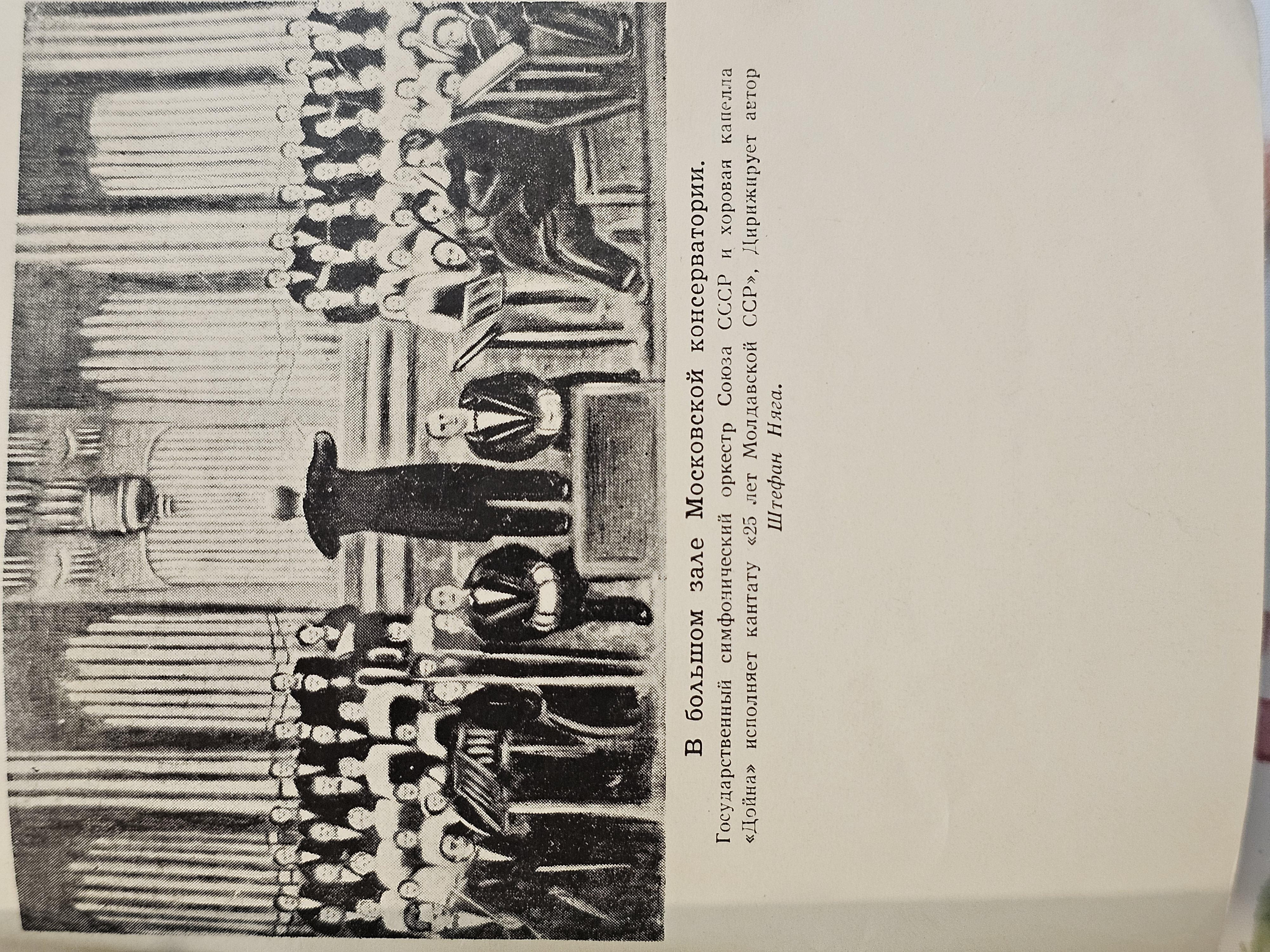
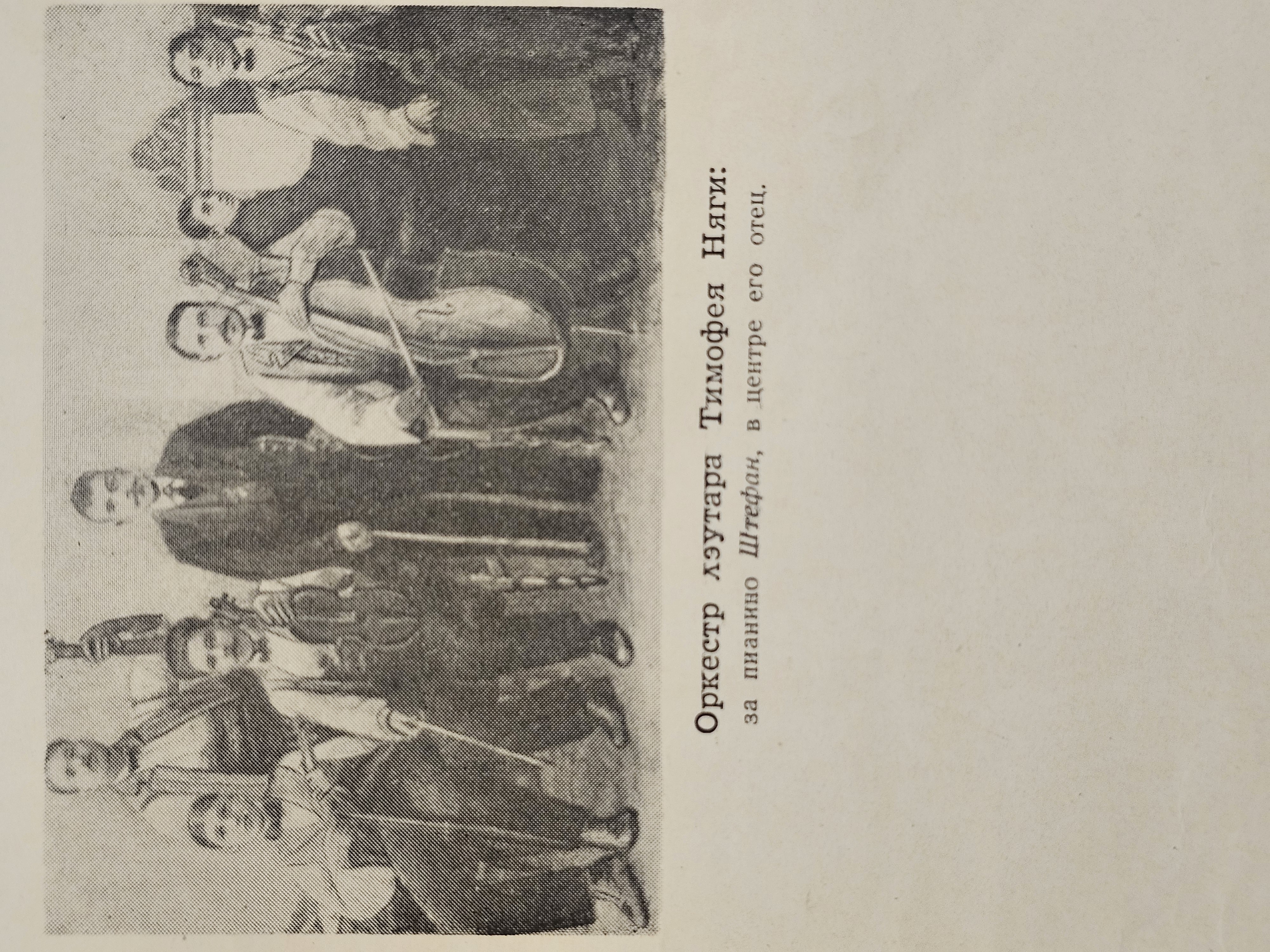
The monograph presents a clear lineage: Anton Neaga and Timotei Neaga in folk and taraf practice, then Stefan Neaga as the formally trained composer-pianist, followed by Gheorghe Neaga. Book, p. 194

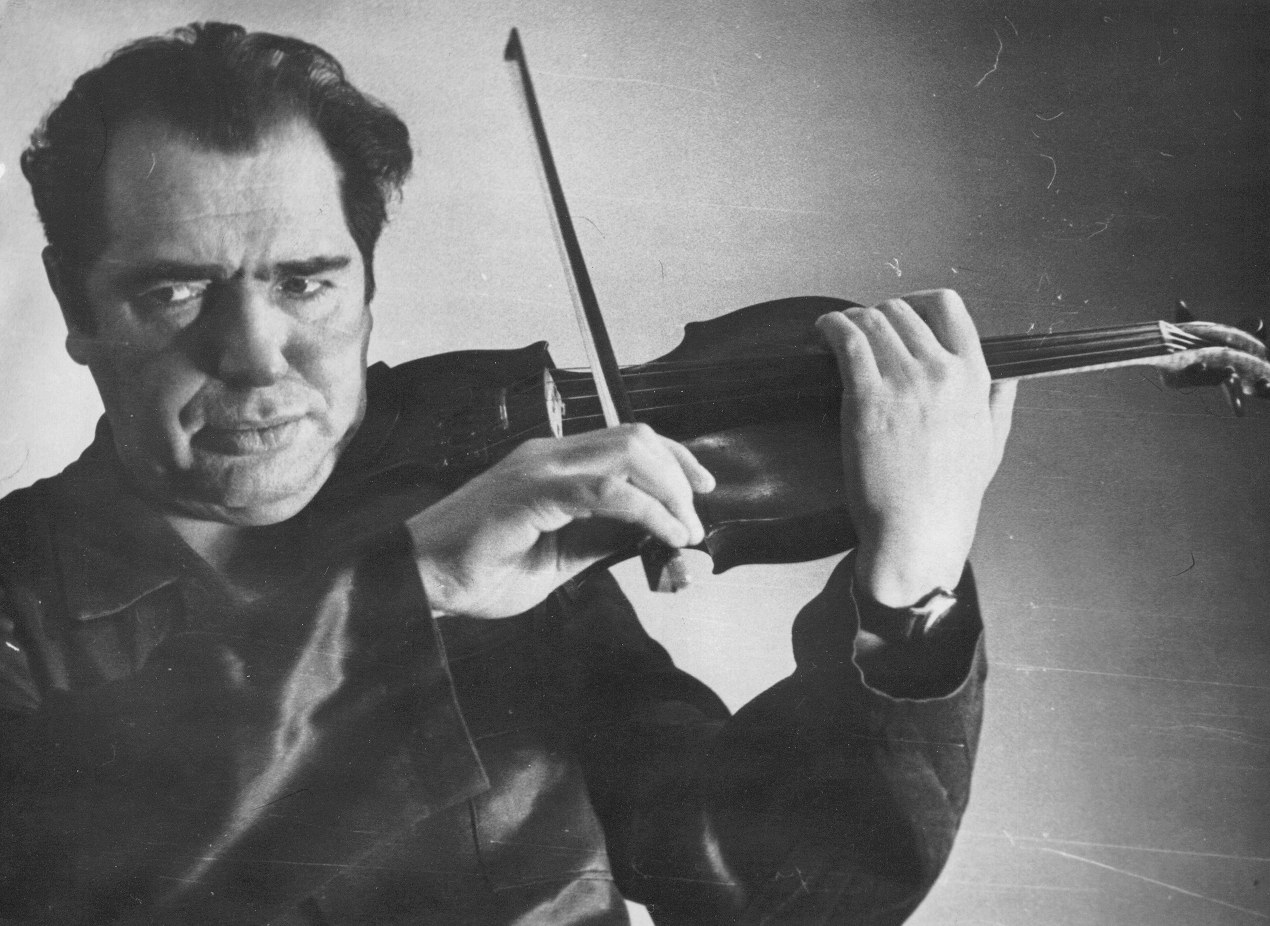
Gheorghe Neaga's early exposure involved home rehearsals and visiting performers, with violin study consolidated before his 1937 Bucharest admission. Book, p. 195

Wartime movement across Chisinau, Saratov, and Kokand shaped both family fate and practical musicianship. Book, p. 197

Gheorghe Neaga seated at piano

Editorial Position

This site avoids unsourced narrative claims. Dates and repertory statements are tied to page-cited book evidence or clearly identified external references.

Career Arc

  • State Philharmonic performer phase (1952-1955) and pedagogy phase (1955-1958). Book, p. 199
  • Union of Composers membership (1957), composition graduation (1958), and later institutional roles. Book, p. 199
  • Late relocation to Dallas in 1999, with documented manuscript activity through 2003. Book, p. 192, 199

Method: Verified vs Inferred

Verified means directly supported by page-cited primary book entries or stable institutional sources.

Contextual is used where a source describes broad significance but not a full date-critical record.

Attributed / uncertain follows the book's own uncertainty markers (for example entries marked with question marks in repertory appendices). Book, p. 206

What This Archive Includes

  • Biographies for Gheorghe and Stefan Neaga.
  • A structured works catalog with status labels.
  • Bibliography and source notes with traceable references.
  • Media and gallery views including selected score snippets.
  • A dedicated timeline page with family-provided entries.

Date Note

One conflict remains across public records for November 2003. The monograph narrative uses 28 November, while some external notices list 24 November. Book, p. 199